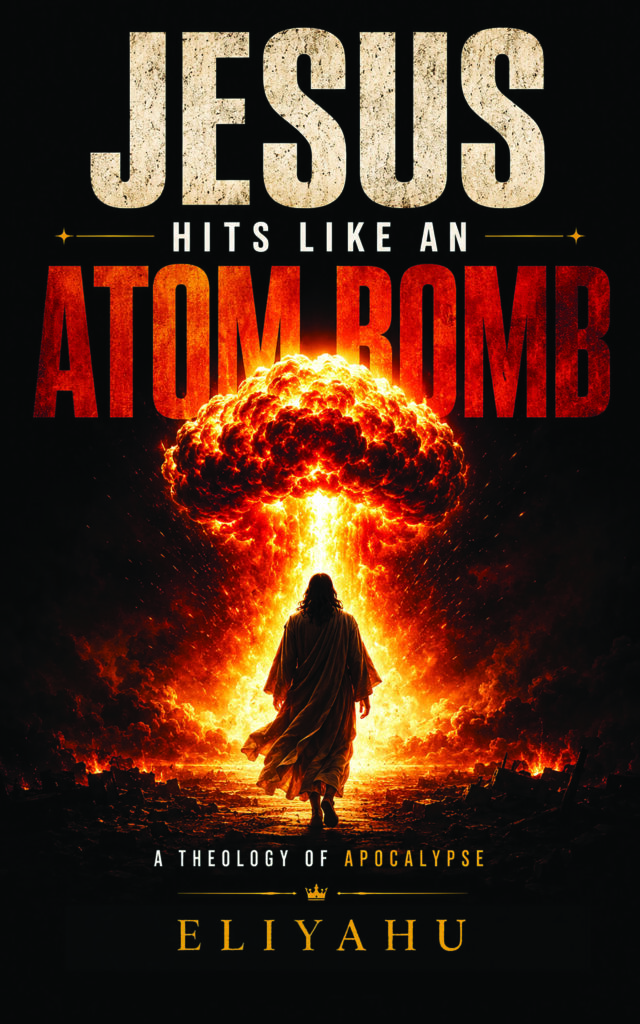
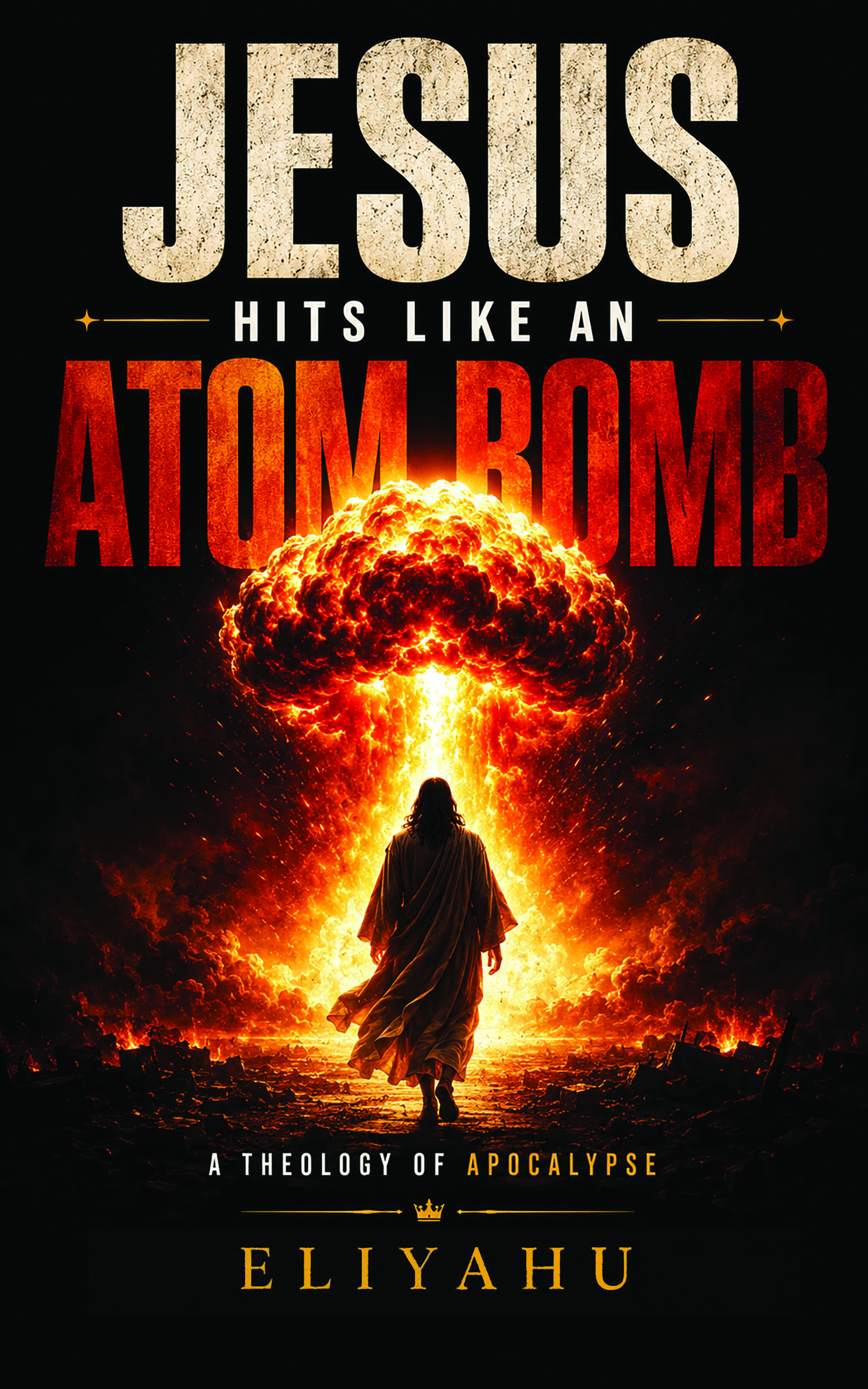
Today, Jesus Hits Like an Atom Bomb is available.
The title is meant to stop us for a moment. It places the Prince of Peace beside one of the most destructive images human beings have ever created. That contradiction is not something the book tries to hide. It is the problem the book enters.
A metaphor born in the nuclear age
The phrase “Jesus hits like an atom bomb” emerged in a world still absorbing the shock of Hiroshima and Nagasaki. In postwar gospel music, the bomb became a metaphor for the suddenness, overwhelming force, and inescapability associated with divine judgment and the return of Christ.
But a metaphor can illuminate one truth while distorting another. The atom bomb can communicate suddenness. It can communicate exposure and finality. It cannot be allowed to turn Christ into a weapon or divine judgment into indiscriminate violence.
That tension is where the book begins.
Apocalypse as unveiling
One of the book’s central arguments is that apocalypse should not be reduced to prediction. The word points toward revelation, disclosure, an unveiling of what was hidden.
That matters because every generation is tempted to read its own fears as proof that it stands at the absolute end. The nuclear age did it. The Cold War did it. Our own age does it through technological anxiety, climate disruption, institutional distrust, political conflict, artificial intelligence, surveillance, manufactured information, and the sense that crisis has become the atmosphere itself.
The question is not whether those pressures are real. Many of them are. The question is whether fear helps us see clearly.
Beyond panic and passivity
This is not a book about calculating the date of the end. It is about what becomes visible when illusions fail, and what faithful people do with that visibility.
If apocalypse unveils the fracture, then faith must become more than alarm. It must become discernment, courage, truthfulness, mercy, protection of the vulnerable, and the willingness to rebuild what can still be repaired.
That is the movement I hope readers find in these pages: from spectacle toward understanding, from fear toward discernment, and from unveiling toward responsibility.
Jesus Hits Like an Atom Bomb: A Theology of Apocalypse, Technology, and the Courage to Rebuild is available now. Learn more on the Books page.